Dr Pallavi Kwatra

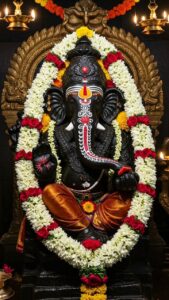
IMAGE CREDITS: https://in.pinterest.com/pin/48061921666721903/
UCCHISTA GANAPATI ASHTASTOTRAM LEARNING SERIES:
Visit the most unique website on Ucchista Ganapati at Ucchistaganapati.in
( For blogs, videos, sadhana initiations, Pujas, Books, Yantras and Idols of Ucchista Ganapti all at one place)
The Ucchista Ganapati Ashtottara Shatanamavali, commonly known as the Ucchista Ganapati Ashtottaram, is a devotional hymn comprising 108 names that extol the various attributes and virtues of Ucchista Ganapati.

oṃ ātunaindrādisāmasaṃstutāya namo namaḥ oṃ

ॐ आतुनैन्द्रादिसामसंस्तुताय नमो नमः ॐ

Salutations to the One who is hailed as Lord indra among the hymns of sāma veda.

Word-by-Word Meaning:

  • Oṃ – The primordial sound, signifying the Supreme Divine.
  • Ātuna – A reference to ancient and sacred hymns.
  • Indrādi – Referring to Indra and other celestial beings.
  • Sāma – The Sāma Veda, one of the four Vedas, known for its devotional and musical hymns.
  • Saṃstutāya – One who is glorified or praised through hymns.
  • Namo namaḥ – Repeated salutations, expressing deep reverence.

Commentary:

This verse glorifies Ucchiṣṭa Gaṇapati as the One who is praised in the Sāma Veda, particularly in hymns exalting Indra and other celestial forces. The verse highlights Gaṇapati’s connection with Vedic wisdom, divine rulership, and cosmic harmony.


1. Connection to the Sāma Veda – The Veda of Melodic Devotion

The Sāma Veda is unique among the four Vedas because it is primarily composed of hymns meant for singing rather than mere recitation. It is considered the Veda of music, devotion, and divine praise.

  • In Hindu tradition, the Sāma Veda is associated with deep spiritual ecstasy and the power of sound to invoke divine energy.
  • It is often said that Lord Krishna considered the Sāma Veda the most significant of all Vedas (as mentioned in the Bhagavad Gita).
  • By stating that Ucchiṣṭa Gaṇapati is glorified in Sāma hymns, this verse highlights His association with divine music, devotion, and sacred sound vibrations.

2. The Symbolism of Indra and Vedic Hymns

  • Indra, the king of the gods, is frequently praised in the Rigveda and Sāma Veda as a mighty, victorious, and protective deity.
  • The phrase “Ātunaindrādi” suggests that Ucchiṣṭa Gaṇapati possesses the supreme power and rulership attributed to Indra.
  • Just as Indra is invoked for strength, victory, and divine blessings, Gaṇapati is hailed as the Supreme Lord who grants wisdom, success, and removes obstacles.

By equating Ucchiṣṭa Gaṇapati with Indra in these hymns, the verse elevates Him to a cosmic level, identifying Him as the ultimate source of divine strength, knowledge, and blessings.


3. Ucchiṣṭa Gaṇapati as the Supreme Vedic Deity

  • This verse establishes Gaṇapati’s connection with the ancient Vedic traditions, affirming that He is not just a deity of later Hinduism but deeply rooted in the original Vedic wisdom.
  • In Sri Vidya and Tantric traditions, mantras and sound vibrations are central to invoking divine presence. The Sāma Veda, being the Veda of sacred melody, aligns perfectly with the mantra-based worship of Ucchiṣṭa Gaṇapati.
  • It also reinforces that recitation, chanting, and musical devotion are powerful means of connecting with Him.

4. Practical Application for Devotees

  • Chanting Sāma Vedic hymns or Gaṇapati mantras with devotion can invoke His divine blessings.
  • Music and sacred sound (Nāda Yoga) can be used as a powerful spiritual tool to connect with Him.
  • By invoking Him as the One praised in the Vedas, devotees align themselves with the most ancient and potent energies of divine wisdom.

Conclusion

This verse glorifies Ucchiṣṭa Gaṇapati as the One who is exalted in the divine hymns of the Sāma Veda, particularly in the context of Indra and other cosmic forces. It affirms that Gaṇapati is the Supreme Power behind Vedic wisdom, divine rulership, and sacred sound vibrations.


Discover more from Dr Pallavi Kwatra

Subscribe to get the latest posts sent to your email.

Leave a Reply

Your email address will not be published. Required fields are marked *

Discover more from Dr Pallavi Kwatra

Subscribe now to keep reading and get access to the full archive.

Continue reading